

The Sega Mega Drive occupies a singular place in the history of video gaming. For a generation of players who grew up clutching those distinctive six-button controllers, the console represents far more than nostalgia, it remains a living, breathing competitive platform. Across retrogaming events and online communities, the Mega Drive continues to draw dedicated players keen to sharpen their skills and test themselves against worthy opponents.
Key points
- The Sega Mega Drive remains a vibrant platform for competitive gaming, requiring both technical hardware maintenance and refined player skill.
- Choosing and maintaining high-quality original controllers is crucial to ensure consistent input registration and prevent competitive failures.
- Minimizing display latency by using CRT monitors or high-quality upscalers is essential to preserve the console’s original responsive timing.
- Mastering advanced techniques like frame-perfect jumps and efficient routing is vital for achieving high-level performance in speed-oriented platformers.
- Competitive success relies on consistent execution of well-rehearsed game routes rather than risking complex but error-prone maneuvers.
- Players should practice deliberately by isolating difficult sections and reviewing recorded gameplay to identify timing discrepancies.
- Familiarizing oneself with specific hardware revisions and preparing for tournament conditions are key steps to maintaining peak performance under pressure.
Essential gear optimisation for competitive play
Before a single frame is rendered on screen, the foundation of any serious retrogaming setup lies in the quality of the hardware. When you step into a competitive environment centred around classic Sega consoles, every component matters. It is worth noting that the platform itself (whether the original Mega Drive, the North American Genesis variant, or even the Master System for certain events) can subtly influence your performance in ways that are easy to underestimate.
Selecting original sega controllers for maximum precision
No aspect of competitive play is more personal than your choice of controller. The original three-button pad that shipped with the console offers a compact, responsive feel that many veterans swear by for fast-paced platform games. The six-button variant, introduced to support fighting game titles, provides additional inputs that prove invaluable in certain formats. When sourcing controllers in used condition, it is essential to test every button for consistent actuation, as worn contacts are among the most common causes of missed inputs during tournament play. A controller that registers inconsistently can cost you a run, so inspecting the product carefully before committing to it is simply good practice. Retrogaming gear sourced from specialist shops tends to arrive in better condition than marketplace finds, as reputable sellers generally clean and test items before dispatch.
Maintaining console hardware for lag-free performance
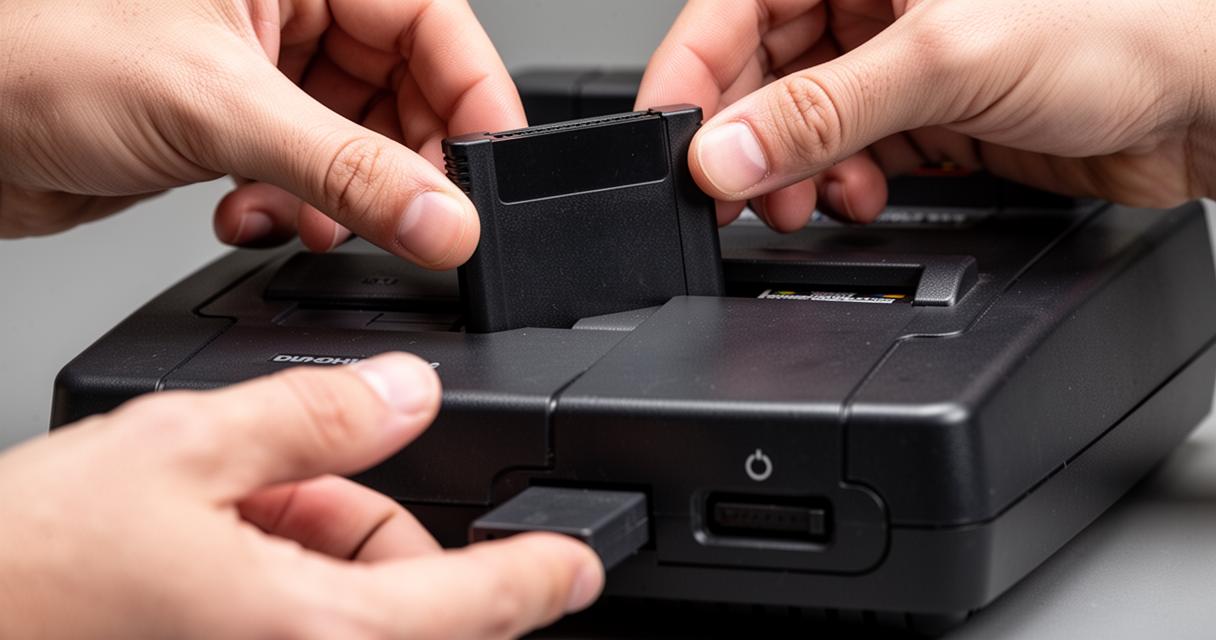
The Mega Drive was engineered at a time when output signal and display technology were tightly matched, and that relationship matters enormously today. Connecting original hardware to modern displays through composite or SCART cables can introduce latency that disrupts timing-sensitive gameplay. Many competitive players invest in upscalers or period-correct CRT monitors to preserve the responsiveness the system was designed around. Regular cleaning of cartridge contacts using isopropyl alcohol and a cotton bud is a straightforward maintenance task that prevents read errors and unexpected resets mid-game. Storing consoles and game boxes in a cool, dry environment also helps preserve the hardware over the long term.
Advanced gameplay techniques for classic sega titles
Once your hardware is in order, the real work begins. The Mega Drive library spans an extraordinary range of genres, but for competitive retrogaming, platform games dominate the scene, none more so than the iconic Sonic the Hedgehog series. Speed, precision and route knowledge are the three pillars upon which high-level play is built.
Mastering Frame-Perfect Inputs in Sonic the Hedgehog
Sonic the Hedgehog on the Mega Drive is one of the most studied games in the speedrunning and competitive retrogaming community. The hedgehog’s physics engine rewards players who understand momentum deeply, allowing skilled competitors to chain movements in ways that dramatically compress completion times. Frame-perfect jumps (inputs that must land within a single frame of animation to execute correctly) are a staple of high-level routing. Practising these inputs in isolation, then integrating them into full runs, is the most reliable method for building the muscle memory required under tournament pressure. Video review of your own runs is an invaluable tool here, as it allows you to identify precisely where timing slips occur.

Routing and Execution Strategies for Platform Games
Beyond Sonic, the Mega Drive and Genesis libraries offer a wealth of platform titles that reward careful routing. Knowing which sections of a stage can be skipped, which enemy patterns can be manipulated, and where the game’s logic permits unconventional movement are all components of a well-constructed competitive route. The best players approach each game systematically, breaking it into discrete segments and optimising each one before stitching them together into a cohesive full run. Consistency of execution matters as much as theoretical optimisation, a slightly slower route performed without error will generally outperform a faster one riddled with mistakes.
Tournament preparation and mental readiness
Technical skill accounts for a great deal in competitive retrogaming, but the mental dimension is equally significant. Tournaments introduce variables that solo practice cannot fully simulate: the presence of an audience, the pressure of a timed format, and the particular unpredictability of hardware you have not personally maintained.
Adapting to original genesis hardware variations
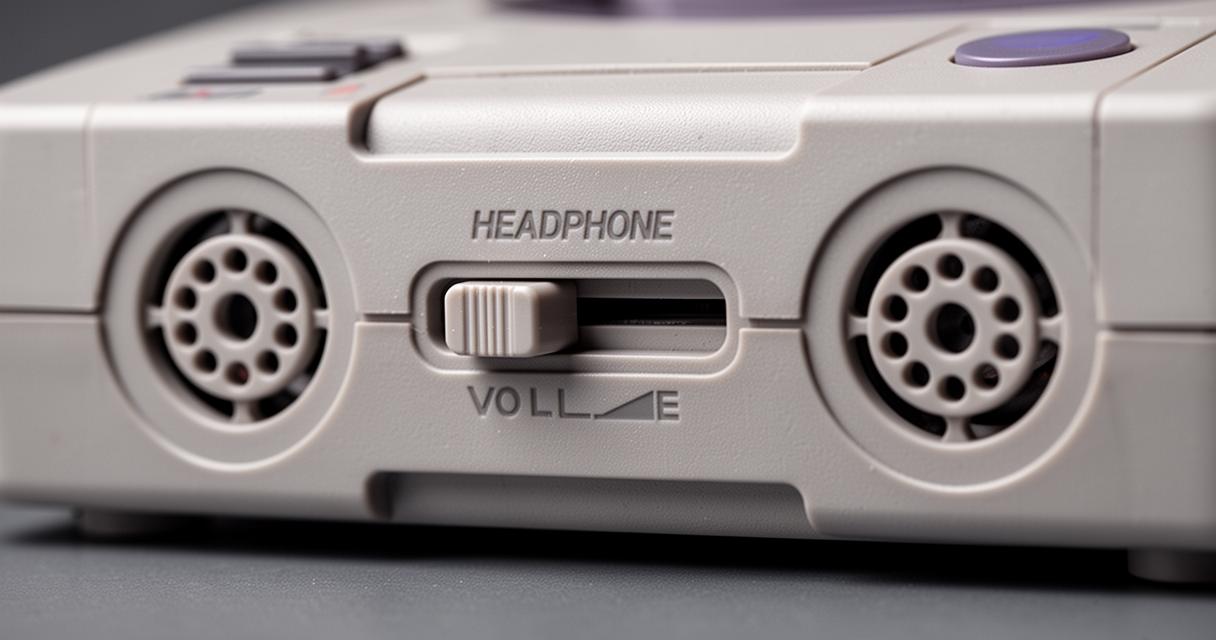
Not all Mega Drive and Genesis units behave identically. Different hardware revisions can produce subtle differences in audio timing, controller port response, and even certain in-game behaviours. Seasoned competitors make a point of familiarising themselves with the specific console they will be using at an event wherever possible. Arriving early to test your gear on the tournament hardware, running through key sequences to confirm that your inputs register as expected, is a habit that separates prepared players from those who are caught off guard by minor inconsistencies. If you are shipping your own console to an event, packaging it securely and allowing adequate time for delivery is an obvious but essential logistical consideration.
Structuring practice sessions for retrogaming events
Effective practice is deliberate practice. Rather than simply playing through games repeatedly, competitive retrogamers benefit from breaking sessions into focused blocks, isolating a troublesome section, drilling it at reduced pace, then gradually increasing speed until execution becomes reliable. Keeping notes on problem areas and tracking progress over time provides both motivation and a clear picture of where further work is needed. Engaging with the broader retrogaming community, whether through forums, streaming platforms, or local meet-ups, also offers access to route discoveries and technique refinements that can meaningfully accelerate your development. The Mega Drive scene remains active and collaborative, with players continuing to find new possibilities in games that have been studied for decades, a testament to the enduring richness of the platform.